

Explore the top 10 benefits of AI. Discover how artificial intelligence is transforming healthcare, education, business, and the future of humanity
Artificial Intelligence Basics
Understanding Artificial Intelligence?
Machines acting smart? That comes from artificial intelligence. People usually just say AI. Systems built this way handle jobs we’d expect a person to do. Think understanding language or figuring out solutions. Learning happens differently here - not through memory, but data patterns. Decisions get made without someone typing every rule. Reasoning isn’t magic - it’s code spotting connections. Some programs adjust when new info shows up. They improve over time, kind of like practice. Not quite human sense - but close in certain ways.
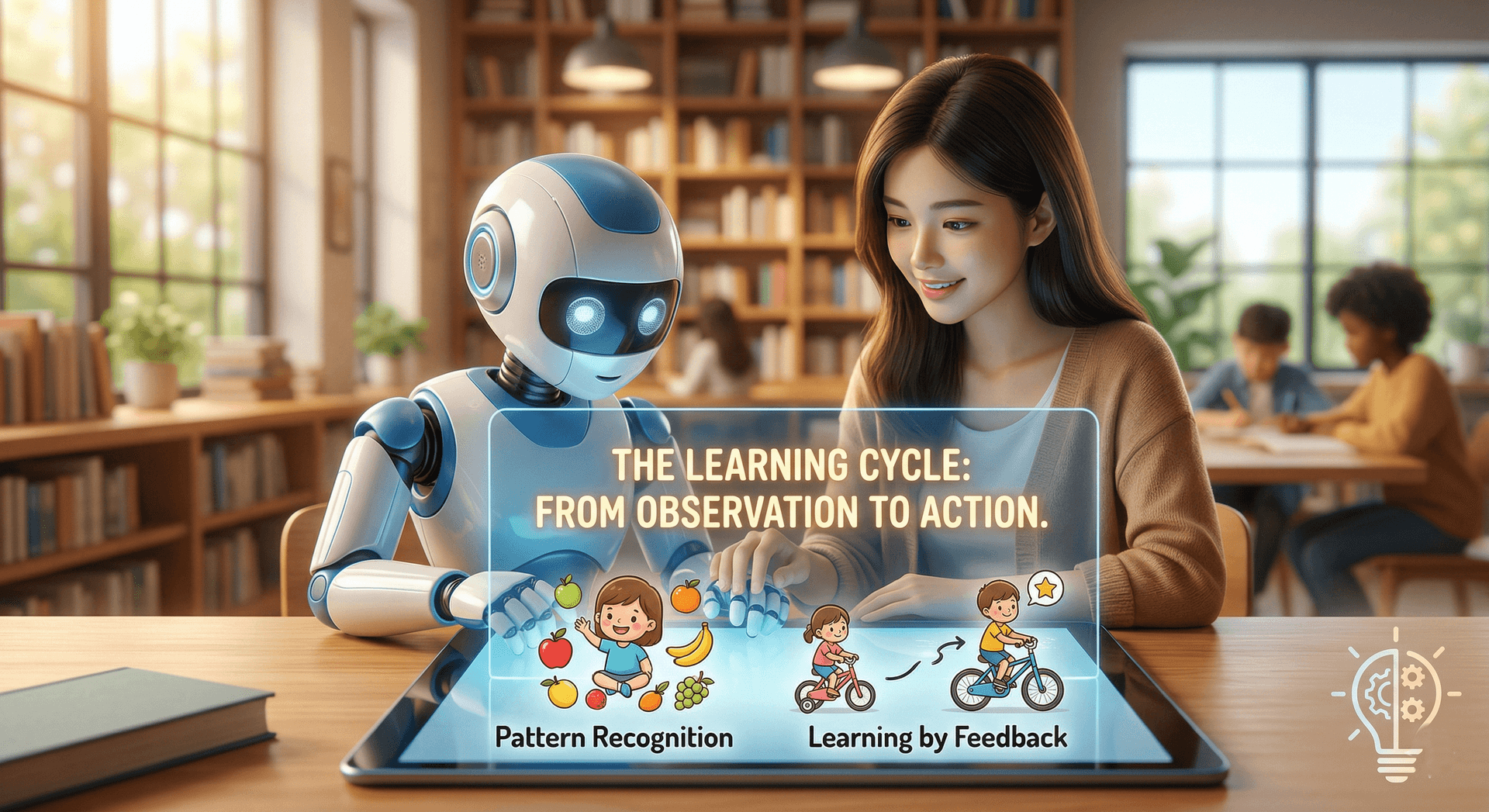
Picture helping a young learner spot different creatures. Images appear, clues get shared, errors are gently fixed along the way. Learning builds slowly through repetition. Machines follow something close, though their lessons come from endless rows of numbers and coded rules. That path they take? It goes by the name of machine learning. A quiet force shaping much of today's artificial intelligence.
Right now, machines that think are part of daily life. From searching online to getting movie suggestions, they’re quietly at work. Voice helpers respond when spoken to, while hospitals rely on them for accurate tools. Big organizations put money into these systems, seeing real shifts in how things get done. Most large businesses - nearly nine out of ten - are running some kind of smart software today, proof that change has already arrived.
Out there, where machines start to learn, change creeps into hospitals, schools, even farms. Though still early days, shifts show up quietly, woven into how people work and live.
The Fast Rise of Artificial Intelligence in Today’s World
Years back, artificial intelligence was just lab experiments. Now it shapes how economies move forward. Innovation often ties to machines learning patterns. Digital change leans heavily on smart systems doing tasks once done by people. Staying in business means working with data flows. Survival links to using tools that predict what happens next.
Speed surprises many - AI handles massive datasets in moments. Though people examine numbers too, machines outpace them, avoiding mistakes and never tiring. Because of that edge, companies spot patterns quicker, adjust ahead of shifts, even untangle tough challenges smoothly.
One reason growth might speed up? Artificial intelligence is turning into a key driver worldwide. Spending on AI tools has jumped lately, which pushes needs higher - not just for code but machines too - alongside trained people who can work with them. By 2030, power-hungry hubs handling AI tasks may need nearly seven trillion dollars put into them, showing how big this change really is.
Out here in hospitals, farms, schools, and city streets, machines that learn are shifting the way things work. What follows digs into real impacts - ways smart systems change daily life without fanfare or flash.
1. Automation of Repetitive Tasks
AI Reduces Workload
Imagine handling endless forms, appointments, or number crunching every single day. Machines powered by smart software take over such chores without slowing down. Picture clerical duties getting done while people step back to tackle ideas needing imagination. Tasks once tied to human hands now move smoothly through digital routines. Energy shifts where it matters most - toward thinking, designing, connecting. What used to drain hours slips into silence, replaced by steady electronic precision.
A machine that never sleeps shows up every hour of the day, doing routine work without error. Because of smart software, tasks such as sorting bills, tracking stock levels, or answering client questions happen on their own. Less time spent on repetition means lower expenses add up over weeks. When repetitive duties fade into the background, workers find space to think ahead, create solutions, or build stronger bonds with customers - the kind only people can form.
When tasks repeat, machines keep pace without slowing down. People might lose focus or grow weary, which sometimes causes mistakes. Yet computers stick to the plan, exactly as told, each instance. In places like hospitals, factories, or financial offices, getting it right matters most - so steady performance makes a difference.
Speed matters now more than ever. Organizations shift how they work once machines take over routine tasks. With artificial intelligence driving the change, operations grow quicker, sharper, less rigid. Time slips away fast - so systems must keep up without delay.
2. Improved Healthcare and Medical Diagnosis
Artificial Intelligence Helps Spot and Handle Illness
Right now, artificial intelligence is changing healthcare in big ways. Because doctors need precise details, they use technology to spot illnesses and decide on care plans. Patterns hidden in patient records come to light when machines study them closely. Mistakes slip through less often since systems catch odd results people could overlook. Treatment choices grow clearer once algorithms sort through symptoms and outcomes.
Picture this: AI tools study pictures of insides - X-rays, MRIs, CT scans - not missing a beat. These helpers spot quiet warnings of sickness, things like tumors or brain issues, even heart trouble. It matters most when caught fast - treatment works better that way. Often, the machines see what takes humans much longer, sometimes weeks shorter notice.
Out of data like genetics, daily habits, and past health records, smarter care paths begin to form. Because machines learn patterns humans might miss, suggestions fit closer to each person. From broad fixes meant for everyone, medicine now leans into custom steps. One result? Treatment shaped less by guesswork, more by personal detail.
Now hospitals turn to artificial intelligence for handling supplies, guessing how many patients show up, also cutting down time spent waiting. Better care comes out of this, spending less money happens too, people feel happier about their treatment. With tech moving forward fast, machines thinking like humans will matter more inside medicine.
3. Improved Learning Through Better Education
AI Shapes Learning to Fit Each Person
One way things are shifting? Education now uses smart systems in new ways. Most classes stick to one plan meant for everyone. Yet each person learns at their own pace. A few catch on fast. Others require extra repetition and support. What helps here? Tailored lessons shaped by intelligent tools.
Picture a helper online that knows what you find tough and where you shine. When students face hurdles in math, it steps in with extra practice and clearer breakdowns. This kind of tool watches how learners do and shifts teaching methods to match. Bright spots get stretched further through harder material when mastery shows. Learning bends around the person, not the other way.
A fresh way of teaching boosts how well students learn while holding their attention. Because of that, educators spot those needing more help without delay. Rather than lose time correcting papers by hand, they invest energy in supporting learners one-on-one.
Learning reaches further because of smart technology. When distance separates people, digital lessons bring them close. Some places lack trained instructors, yet computers fill gaps with helpful materials. Pupils across continents share knowledge through live sessions online. Translation adapts speech so understanding grows without barriers.
A different kind of classroom grows when learning fits more lives. This shift shapes minds ready for what comes next, not just today’s rules.
4. Increase Business Productivity
How Computers Help People Understand Information and Choose What to Do
Running a business now depends on data much like vehicles depend on gasoline. From every tap to each sale, actions leave behind traces of info; machines that learn sort through it all swiftly. Weeks once vanished into rows and charts - now answers appear almost instantly. Patterns show up quickly; hidden shifts become clear before they fully arrive. Fast sight means quicker moves, fewer missteps, an edge when things shift rapidly. What used to crawl forward now surges ahead without pause.
Picture a store getting ready for holiday shopping madness. Thanks to AI, it doesn’t rely on hunches about what might fly off shelves. Past purchases, how people acted before, plus broader shifts in taste - all get crunched into clear signals. Stock levels adjust smartly because of that. Running too low? Unlikely. Stuck with piles of unsold junk? Not happening. Finance teams spot patterns just like warehouse planners do. Even ad campaigns shift based on similar logic. Delivery routes change ahead of delays. Numbers guide moves across departments. Smart planning, careful spending, fewer wasted efforts - firms using artificial intelligence often see clearer paths forward. Research across sectors shows those leaning on AI-powered insights may boost output nearly 40 percent, revealing just how much stronger choices get when guided by facts.
When companies get bigger, so does their data - fast. Growing volumes start to overwhelm old-school methods that rely on people doing tasks by hand. Machines driven by artificial intelligence? They manage huge loads smoothly, even at peak times. Whether it's a small startup or a global platform, scaling smart matters more than ever. Speed wins races now; being right counts just as much. Relying on AI isn’t about choice anymore - it’s built into what works.
5. Better Customer Service and Communication
Chatbots and Virtual Assistants
Back then, people sat listening to music on hold just to ask a question. Now machines answer right away, every hour of the day. These smart helpers act like someone who knows exactly what you need. They jump in fast, fixing hiccups before frustration grows. Satisfaction rises when waits disappear. Trust forms quietly when help shows up without being asked. Change came slowly until intelligence built into software took over.
Understanding human speech comes naturally to AI chatbots, so they grasp queries much like people would. When someone wonders if an item is in stock, when a package arrives, or how to pay, answers come fast without mistakes. Online stores find these systems useful because shoppers want help right away. Rather than bringing on dozens of staff members, firms set up programs that manage countless chats at once. Less money goes toward daily operations, yet service stays strong.
Imagine getting suggestions that actually fit what you want. Shopkeepers used to remember faces and favorites, now machines do it too. Because they study how people act online, responses feel less robotic. Messages arrive at moments that make sense, almost like timing was guessed right. Preferences get noticed without needing words. Over time, things start feeling familiar, somehow. When replies know what comes next, trust builds quietly. Buying again? Feels natural, not pushed. Digital chats are everywhere these days. Machines learning habits will guide more of those talks ahead.
6. Better Transport Safety with Smarter Movement
Self-Driving Cars and How They Handle Traffic
Out on the streets, things shift quietly as machines start to learn. Smarter roads emerge when algorithms adjust lights without anyone touching a switch. Vehicles watch their surroundings like careful watchers, reacting before problems grow. Instead of waiting for breakdowns, repairs happen just in time thanks to constant digital checkups. Self-steering trucks and cars roll through cities while software handles turns, stops, and lanes. Efficiency sneaks into commutes where delays once ruled every morning. Fewer crashes appear as hidden patterns get spotted ahead of time. Movement flows better because decisions come faster than human reflexes allow.
Out on the roads, driverless cars keep moving by spotting hazards through sensors and lenses while smart software figures out what to do next. Instead of relying on tired eyes or wandering thoughts, these machines respond in moments - cutting down crashes sparked by simple slipups. Studies suggest over 90 percent of collisions stem from people messing up, which shows how clever code might help us travel safer. With more automated cars showing up, getting around could turn smoother, steadier, unpredictable start to finish.
Sometimes traffic moves smoother because computers watch how cars travel. Lights at crossings change timing based on real-time road activity. Apps figure out quicker ways to go by learning from current conditions. Buses and trains run more reliably when their plans adapt automatically. Smooth moves ahead come from new ideas that ease trips while caring for safety and nature. Life together may shift when clever machines start steering the way we get around.
7. Enhanced Security Against Cyber Threats and Fraud
Using AI to Guard Digital Systems
When tech moves forward, cyber dangers grow sharper. Instead of just reacting, hackers now craft tricky ways to grab info, break operations, or run scams. Watching everything like an alert watcher, artificial intelligence spots odd behavior across digital paths. Rather than sticking to old checklists, modern defenses learn by doing - picking up habits from what they see. Because it changes along with risks, protection powered by learning stands stronger over time.
A sudden shift happens when AI spots threats as they unfold. Picture a bank juggling countless payments each moment. With every exchange, algorithms scan for odd signs - maybe a login from nowhere familiar or purchases that break routine. When red flags pop up, actions freeze on the spot while warnings race to human guards. Speed like this shuts down theft before wallets bleed, keeping users safe without delay.
Sometimes machines learn from old break-ins, then guess what might come next. Like when skies darken and you know rain follows, warnings pop up ahead of trouble. Because of this, companies stay on their feet even when danger looms. Protection now moves before the threat arrives, not after. When information holds more worth than gold, staying safe means thinking like tomorrow’s already here.
8. Innovation in Science and Research
AI Accelerating Discoveries
Looking at tons of data, running tests, then checking ideas - science moves slow without help. Yet machines now cut through years of work in moments. Rather than humans sorting details by hand, smart systems spot links, suggest new guesses, even act out trials virtually. Discoveries pop up quicker because of it, changing how fast we learn in health studies, nature rules, or Earth’s living balance.
Take drug discovery, for instance. Usually, creating a new medication spans over ten years and drains billions in funding. With AI stepping in, predictions about how chemicals behave in humans speed things up dramatically. When worldwide health crises hit, researchers used artificial intelligence to pinpoint possible cures faster than ever before. Time shrinks, expenses drop - outcomes improve because of quicker results.
Out there beyond Earth, machines learn fast from what they see. Weather guesses now come quicker because computers spot old signs in new places. Solar panels line up just right when smart tools shape their plans. Hard puzzles about warming air and missing water start to crack open. Brains working with circuits find paths through thick fog others called dead ends. Impossible stuff yesterday shows cracks today under fresh light.
9. Smart Agriculture and Food Production
AI In Modern Farming
Old-school farming? Not quite anymore - tech sneaks into fields through smart machines learning as they go. Instead of guessing, growers now watch how plants react using clever software that spots trouble early. Weather forecasts once shaky now come sharpened by pattern-hunting algorithms running quietly behind screens. Water flows smarter these days - not too much, never too little - all timed without constant human checks. Less spillage, better yields: numbers climb while resources stretch further than before. With mouths to feed piling up across continents, feeding people leans heavily on these quiet digital helpers growing in strength. What looks like dirt and sun hides circuits and data pulses keeping hunger at bay.
Out in the fields, sensors dig into dirt, tracking wetness, warmth, and what minerals are present. From there, artificial intelligence takes that stream of details and figures out just how much water or feed a plant truly wants. Because of this smart method, harvests grow better while harm to nature drops off. Rather than tossing guesses into the wind, those working the land now lean on clear facts before moving forward. Precision grows stronger when machines help spot what eyes cannot.
Sometimes spotting trouble early makes all the difference. Drones fly over fields, snapping pictures that reveal sick plants long before damage shows up by eye. Problems caught fast mean less ruin across the harvest. Because of these smart tools, farmers keep more of what they grow. Over time, machines learning from images might become standard helpers on farms everywhere. Feeding people takes clever solutions - this could be one.
10. Economic Growth and Job Creation
AI Shaping Global Economic Patterns
Out of nowhere, machines that learn have become central to how money moves across industries. Fueled by real results, companies everywhere now pour resources into smart systems meant to speed up work, launch different kinds of goods, open unseen market paths. Behind each rollout, roles pop up - coding, number tracking, digital shields, thinking robots - all needing people who know the ins and outs. When more talent gets pulled in, openings multiply quietly, showing up where kids studying today meet adults shifting careers tomorrow.
Far from wiping out work, machines reshape how people earn a living. When routine tasks fade away, different kinds of openings pop up - ones that need fresh thinking, clever fixes, upside-down logic. Take machine learning engineers: they’re now wanted more than ever before. So are those who teach systems to learn, plus experts steering online outreach in smart ways. Pay tends to climb when skills shift in this direction.
Down the road, AI might lift worldwide economic output more than expected. Firms using smart systems often stay ahead, sparking fresh ideas along with stronger financial results. On another note, national leaders back training and studies in artificial intelligence to ready young people for tech-driven work. As tools evolve, shifts in jobs plus how regions develop economically could deepen further.
AI Challenges and Ethics
Though Artificial Intelligence brings clear advantages, careful attention is needed to manage its societal impact. Privacy stands out as a major issue. To work well, AI needs vast quantities of data - gathering it may risk exposing private details. Questions arise around storage methods, usage intent, and who gains access. Rules are essential; otherwise, improper handling might trigger harmful outcomes.
Unfair patterns can sneak into AI when training data carries mistakes or prejudice. When flawed information shapes decisions, outcomes often tilt one way. Picture a recruitment bot leaning toward specific applicants - simply because past data did. That skew points straight to why openness matters in how these tools are built. Clear rules and moral grounding help keep things balanced. Groups building AI need to watch for fairness, consistency, trust.
Some jobs might disappear because machines take over routine work. When tasks repeat often, they tend to vanish first. People could find themselves needing fresh abilities just to stay employed. Schools and leaders must step up with lessons for different kinds of work. Helping workers shift paths isn’t optional - it’s necessary. Done right, artificial intelligence can lift everyone together.
Artificial Intelligence: What Comes Next
One day, machines might think like people - only time will tell where that goes. Some say they’ll learn faster, reach further, slip quietly into routines without fanfare. Picture lights turning on before you want them, or clinics spotting illness just by listening. Not taking over, never replacing us - but standing beside, pushing what we can do a little higher each morning.
Out of nowhere, generative AI has started crafting text, pictures, melodies - sometimes entire programs. Some companies now use it to handle content on its own, shape digital designs, or adjust how users interact with services. Over time, smarter versions could unlock odder kinds of invention nobody expected. Tools like these might let builders and founders tackle tough jobs without slowing down.
Learning changes shape when artificial intelligence steps into classrooms. Pupils work alongside smart helpers, explore digital experiments, yet follow paths built just for them. Workers lean on machine insights during tough choices or complex tasks. Tomorrow favors people who grasp how these tools think, then welcome them close. Getting ready means staying eager to know more, shifting smoothly through change, always adding new understanding.
Conclusion
Out of nowhere, machines now learn and adapt, reshaping life more quickly than anyone expected. In hospitals, classrooms, offices, farms - each place runs sharper because of smart systems working behind the scenes. Ten clear advantages show what happens when thinking software joins daily work: tasks finish faster, mistakes fade, risks shrink, money flows better. Think of it as a helper with endless focus, boosting what people can do instead of taking over.
One step at a time, AI keeps moving forward, growing stronger as tools improve. Where people welcome it with care, progress tends to speed up, lives often get easier. Yet fairness matters just as much - handling tough questions now helps spread gains more widely later. Hand in hand, human paths and smart systems draw tomorrow's shape, quietly building worlds that work smarter, run smoother.
FAQs
1. What are the main benefits of Artificial Intelligence? Most days, machines that learn can handle chores faster than people. When routines get handed off to smart systems, time opens up for trickier work. In hospitals, patterns spotted by software often lead to earlier diagnoses. Security gets a boost too - threats show up quicker when algorithms watch the network. Money moves differently now, shaped by how data flows through industries. Choices within companies tend to lean on facts pulled from large sets of numbers. Services shift based on what users actually do, not guesses about them.
2. How is AI used in Education? Learning moves differently for everyone, yet machines now shape lessons to fit each student. Grading happens without human hands, freeing up time once lost to paperwork. Some find help through digital guides that answer questions anytime. Pacing belongs to the learner, not the clock. Teachers shift toward guiding, listening, supporting - tasks only people can do well.
3. Is AI taking over human jobs? While machines handle routine work, people find openings in tech fields, number crunching, or online support roles. Change shapes jobs more often than it wipes them out.
4. What are the safety concerns regarding Artificial Intelligence? Most of the time, artificial intelligence behaves predictably if handled with care. Rules that protect personal information help keep things balanced. Ethics matter just as much as oversight when putting these systems to work.
5. What is the future of Artificial Intelligence? Smarter machines will handle tasks once done by people, while medical care gets a boost from sharper diagnostics. Learning adjusts itself to fit each student, thanks to systems that adapt on the fly. New tools pop up everywhere, quietly making daily routines easier without drawing attention. Life changes bit by bit, guided by quiet progress behind the scenes.
Amar Kumar
April 12, 2026